Gardening Services in Stratford for tidy, workable outdoor spaces

Gardening Services Stratford should cover the practical jobs that keep a garden manageable, presentable and suited to everyday use. Our work is centred on routine maintenance, selective cutting back, lawn care, planting-related tidying and larger clear-outs when growth has taken over. For households, landlords and property managers, the aim is usually straightforward: keep paths open, borders defined and outdoor areas easier to enjoy and look after.
We can support one-off visits as well as repeat maintenance where a garden needs regular attention rather than a single reset. That may mean mowing, hedge cutting, weed reduction, seasonal tidying and disposal of green waste where it is part of the agreed work. When a space needs more than a light tidy, we can also discuss deeper clearance or more structured landscaping work. If you already know the sort of help you need, you can start with a short enquiry and build from there.
For jobs that involve several tasks, it often helps to set out the main priorities first: what must be cut back, what should stay, and whether the emphasis is on appearance, access or longer-term improvement. A clear brief makes it easier to shape the work around the garden rather than forcing the garden into a preset routine. If you are comparing options, ask for a quotation once the main tasks are clear.
Regular garden maintenance that keeps things under control
Routine maintenance is usually the best fit where growth is steady rather than urgent. It can include lawn mowing, edging, border tidying, removal of weeds from accessible areas and the trimming of soft growth that starts to spill into paths or seating areas. The value of regular care is not only visual; it also reduces the amount of time needed for each visit, because the garden is less likely to drift into a major clearance job.
Our garden maintenance work is practical and adaptable. Some gardens need the same tasks each visit, while others need a changing pattern through the year, with more cutting in the growing season and lighter tidy-ups when growth slows. Where useful, we can combine several small tasks in one appointment so the space feels finished rather than only partly improved. Consistency matters more than intensity when the goal is an outdoor area that stays usable.
Useful maintenance tasks may include:
- lawn mowing and edging
- weed control in beds, borders and hard surfaces
- hedge and shrub trimming at sensible intervals
- dead plant removal and general tidying
- green waste collection tied to the agreed work
Garden clearance for overgrown, cluttered or neglected spaces
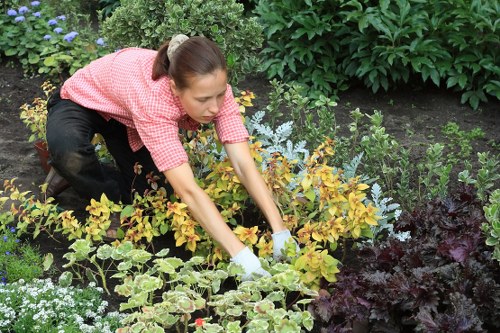
Garden clearance is suited to spaces that have become hard to use because of excess growth, cuttings, dropped material or long-unattended corners. The work may include cutting back dense vegetation, removing unwanted plants, clearing accumulated debris and making the area safer to move through. Where access is awkward, clearance is often best handled in stages so the site can be worked through methodically rather than rushed.
A thorough clearance can make later maintenance simpler because the garden is no longer fighting against hidden obstructions or tangled growth. We can usually tailor the work to the state of the site, from a modest tidy-up of one section to a more involved clear-out of multiple areas. If there are items to retain, we can work around those as long as they are identified in advance and kept separate from anything that should be removed.
Before a clearance, it helps to decide what should stay, what should go and which areas matter most. That might include trees to protect, borders to preserve or access routes that need to remain open during the work. When you are ready, a short written enquiry is often enough to begin the quotation process. For larger clearances, photographs can make it easier to judge the likely scope.
Hedge trimming, shrub shaping and controlled cutting back
Hedges and shrubs need different treatment depending on their type, growth habit and position. Some benefit from a neat seasonal trim, while others need a lighter shape to preserve flowering or avoid cutting too hard into older wood. Our hedge trimming work focuses on keeping boundaries tidy, reducing overhang and restoring clean lines without turning every plant into the same shape or size.
Controlled cutting back is especially useful where plants have started to block light, narrow walkways or touch fences, walls and paving. In those cases, the aim is not simply to reduce volume but to keep the plant healthy enough for future growth while improving the layout of the space. We can also tidy isolated shrubs that have outgrown their setting, taking care to separate what needs shortening from what should be left undisturbed.
Where a hedge is part of a boundary, it is often worth thinking about both sides of the line. A good trim should leave the garden looking deliberate rather than chopped back in a hurry. If the work is part of a wider maintenance visit, hedge trimming can be combined with lawn care and border tidying so the whole garden feels balanced rather than handled in fragments.
Landscape gardening for clearer layouts and better use of space

Landscape gardening is the stage beyond routine maintenance when the structure of the garden needs improvement. That can include reshaping beds, changing the balance between lawn and planted areas, creating tidier edges or introducing new features that make the space feel more intentional. Rather than treating the garden as a list of separate jobs, this work looks at how paths, planting and open ground sit together.
In practical terms, landscape gardening may involve selective digging, preparing ground for planting, adjusting levels in a small area or reworking neglected sections so they are easier to maintain. The right approach depends on how the garden is used and what already exists on site. Some customers want a cleaner, simpler layout; others want the garden to support a fuller planting scheme. We can discuss these options and shape the work around the outcome that matters most.
Where there is already a usable framework, small changes can have a meaningful effect without a full redesign. Repaired edges, clearer borders and more coherent planting areas often make a garden feel larger and easier to look after. If you are planning improvements in stages, it can be sensible to begin with the parts that affect access and everyday use before moving on to decorative changes.
Lawn mowing and finish work for a smarter overall result
Lawn mowing is one of the most visible parts of garden care, but a decent finish involves more than cutting the grass. The edges need attention, clippings may need collecting, and surrounding growth should be checked so the lawn does not look unfinished as soon as the mower leaves. A lawn can be kept neat on its own, yet it usually looks much better when the nearby borders and paths are also considered.
Our lawn mowing service can sit alongside regular maintenance or form part of a wider tidy-up visit. Where the grass has become uneven or is mixed with encroaching weeds, the work may take a little longer, especially if the aim is to bring the area back to a condition that is easier to keep on top of. We can also discuss whether a one-off visit or a repeating schedule suits the garden better over time.
For many customers, the difference between a basic cut and a more complete finish comes down to detail. Straight edges, sensible clipping management and a tidy transition between lawn, path and planting area all matter. A neat lawn is easier to live with when the rest of the surrounding space is not left to undo the effect.
About Stratford
Stratford in east London is a place shaped by long historical layers and major recent change. It grew from an old settlement beside the River Lea and later developed around transport links, industry and the wider expansion of London. The area sits within the London Borough of Newham and has become known for a mix of older streets, large-scale redevelopment and public spaces that draw on both local history and contemporary city life. Stratford station is a major interchange, with rail and Underground connections that have helped define the district’s role as a transport node for east London and beyond. Nearby Stratford High Street and the surrounding roads reflect the area’s long association with movement, commerce and urban growth. The Queen Elizabeth Olympic Park, opened following the London 2012 Games, introduced new open space, sporting venues and landscaped routes that changed the profile of the district while leaving visible connections to the event. Westfield Stratford City added a large retail and leisure destination, while traditional markets, local streets and smaller businesses continue to give the area a busy everyday character. The waterways, including the River Lea and the network of canals and channels around the Lea Valley, also remain part of Stratford’s identity, linking the district to a wider landscape of industrial history, nature corridors and regeneration. Historic churches, housing estates and newer apartment developments sit side by side, creating an urban environment where architectural styles and planning eras are easy to compare in a single walk.
Pricing factors, access and the shape of the job
Garden work is usually priced around the time, tools and disposal needed for the agreed tasks, rather than by a single fixed formula. A straightforward mow or tidy may be simple to organise, while heavier clearance, thick growth, awkward access or several different tasks in one visit can make the work more involved. If a site needs sorting into stages, that can also affect how the quotation is prepared.
Access is one of the practical factors that can matter most. Narrow side passages, limited parking, steep steps, shared entrances and the distance from the work area to where cuttings are collected can all influence the amount of time needed. It is also helpful to know whether waste will need to be taken away or left in a designated place. Clear information at the start usually leads to a more useful quotation and fewer surprises later.
If you are gathering details for a quote, think about the size of the area, the key tasks and anything that needs to be avoided. That gives a better basis for planning than a general request on its own. Good quotations are easier to compare when the same work is being measured, so a short description of the job often matters more than a long message.
Landscaping options for practical improvements

Landscaping can range from relatively modest changes to more substantial garden improvements. In many cases the goal is to make an outdoor area more usable and visually coherent without rebuilding it from scratch. That might mean better boundaries, cleaner transitions between surfaces, refreshed planting areas or changes that support easier maintenance in future seasons.
When landscaping is planned well, the work should fit the property rather than fight it. Slopes, shade, existing trees and the current pattern of use all affect what is sensible. Some gardens benefit from a cleaner layout that reduces clutter and makes movement simpler, while others need softer adjustments that preserve mature planting and only correct the most awkward parts. We can discuss the scope before work begins so the changes remain proportionate.
It is often sensible to prioritise the parts of the garden that have the biggest impact on how the space feels day to day. That may be a border that has spread too far, a lawn that no longer suits the layout or a corner that has become difficult to manage. Practical landscaping is usually about making the garden easier to enjoy and maintain, not simply adding more features.
How to prepare a useful enquiry

A clear enquiry helps us understand whether the work is best handled as maintenance, clearance or a larger landscaping job. A short message with the main tasks, approximate size of the area and any access points is often enough to begin. If there are particular plants, structures or surfaces to protect, mention those as well so the work can be planned sensibly from the outset.
When a garden has several problem areas, it can help to list them in order of importance. For example, the lawn may need mowing, the hedge may be overgrown and one border may need clearing back. That kind of sequence makes it easier to prepare a quotation that reflects the actual workload rather than a vague average. If you have photographs, they can support the description, especially where the site is cluttered or uneven.
Request a quotation if you would like to discuss gardening services in Stratford and outline the work you need. If you are still deciding, look over our pricing and quote information first, then contact us when you are ready to move forward.
Garden care shaped around the result you want
Different gardens need different degrees of attention, and it is usually better to match the service to the site than to force the site into one category. A compact courtyard may mainly need tidying and boundary trimming, while a larger garden could need mowing, hedge work and clearance in separate areas. The right combination depends on what the garden is trying to do for the property.
We also recognise that some customers want immediate visual improvement, while others are planning for a longer-term change. In both cases the work should be sensible, proportionate and clear. The main point is to leave you with a garden that is easier to manage after the visit than before it. Where useful, the work can be phased so the most troublesome parts are handled first.
To keep the process simple, choose the main tasks, note anything that should be left alone and send over the details in one message. Then ask for a quotation and use it to decide the next step. If you want to see the wider range of services first, you can review the service overview before making contact.